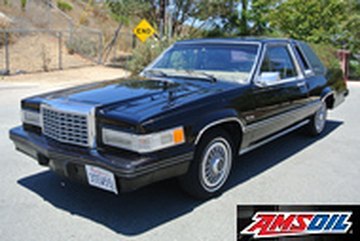
Engine Lubrication and Maintenance for the 1981 Ford THUNDERBIRD 4.2L
Maintaining a vehicle from the early 1980s requires a shift in perspective compared to modern automotive care. For owners of a 1981 Ford Thunderbird equipped with the 4.2L engine, routine service is not just about following a schedule; it is about monitoring the physical condition of aging components and ensuring that the lubrication system remains effective. Because mechanical parts and seals change over decades of use, proactive observation is often more valuable than strictly adhering to generic maintenance intervals.
Monitoring Fluid Integrity and Potential Leaks
One of the most effective ways to monitor the health of a 4.2L engine is through regular visual inspections for fluid seepage. Over time, various gaskets and seals may experience changes in elasticity due to heat cycles and age. When performing routine checks, it is useful to look for any signs of oil residue around the engine block or where major components meet.
If you notice fresh oil appearing on the underside of the vehicle or pooling near the engine, this warrants investigation. It is important to remember that a small amount of seepage does not always indicate a catastrophic failure, but it can be an early indicator that certain seals may eventually require attention. Additionally, checking the appearance of the oil itself during a service can provide clues. Oil that appears excessively dark or contains visible particulates should be addressed promptly, as these characteristics can be associated with various levels of engine wear or contamination.
Managing Engine Longevity Through Consistent Service
The longevity of an older engine is heavily influenced by the consistency of its lubrication. For a 1981 Ford Thunderbird, maintaining a clean and effective lubrication environment helps manage the friction and heat generated during operation. While modern engines often feature highly advanced filtration and cooling systems, older architectures rely heavily on the quality of the lubricant to protect internal surfaces.
Regularly changing the oil and filter is the most fundamental step in preventing the buildup of deposits. Over time, engine oil can collect microscopic debris and combustion byproducts that may lead to sludge formation if not replaced. By maintaining a consistent service routine, you help ensure that the lubricant continues to provide the necessary protection against friction and helps manage thermal loads within the engine environment.
Observing Potential Warning Signs
While many maintenance needs are identified through scheduled inspections, some issues present themselves through observable symptoms. Owners should remain attentive to how the vehicle behaves during operation. For instance, an unusual mechanical noise that develops shortly after a cold start or during heavy acceleration can be associated with changes in lubrication efficiency or component wear.
If you notice any unexpected changes in how the engine sounds or feels, it is wise to investigate the cause rather than assuming it is a minor quirk. Similarly, if there is an unusual odor that seems related to heat, this may indicate that oil is contacting a hot external surface. It is also important to monitor for any visible exhaust smoke; while different colors of smoke can suggest various internal conditions, any change from the vehicle's normal operating state should be treated as a reason for a professional inspection.
Prioritizing Maintenance Based on Current Condition
When managing an older vehicle like the 1981 Ford Thunderbird, it is often more practical to prioritize maintenance based on the actual condition of the car rather than just its age. If you have recently acquired the vehicle and do not have a complete service history, establishing a baseline is a logical first step. This involves performing a thorough inspection of all fluids, belts (if equipped), and hoses to determine what has been addressed and what may be nearing the end of its service life.
A well-documented maintenance history is an invaluable tool for long-term ownership. Keeping records of when oil was changed, which filters were used, and any repairs that were performed allows you to spot trends. For example, if you notice that the engine requires more frequent top-offs than it did a year ago, your records will help you determine if this is a new development or a long-standing characteristic. This data-driven approach helps distinguish between necessary preventive maintenance and unnecessary parts replacement.
Inspecting Aging Components and Connections
Beyond the lubrication system, several other areas benefit from periodic attention as a vehicle ages. If equipped, inspect accessible drive belts for signs of deterioration such as cracking, glazing, or fraying. Similarly, if the vehicle is equipped with various rubber hoses, check them for softness, brittleness, or bulging. These components are subject to constant thermal and mechanical stress.
Electrical connections and wiring should also be inspected for signs of corrosion or fraying, as these can lead to inconsistent performance in various engine-related systems. Even if the vehicle appears to be running well, a quick visual check of these age-sensitive components can prevent unexpected downtime. The goal is to identify potential issues while they are still manageable, rather than waiting for a component to fail completely.
Practical Guidance for BUYING ENGINE OIL for your 1981 Ford THUNDERBIRD 4.2L
When it comes time to replenish your engine's lubrication, the most important step is to ensure you are using a product that matches the specific requirements of your engine. For this 1981 Ford Thunderbird with the 4.2L engine, do not rely on general automotive knowledge or assumptions based on the vehicle's age to select a grade.
Instead, match the engine oil to the application-specific viscosity information already displayed on this webpage. Before making a purchase, carefully check the product labeling to ensure it meets the necessary quality standards and certifications. Depending on your specific needs and the current condition of your engine, you may choose between conventional, synthetic blend, or full synthetic formulations. If your engine has high mileage, you might also consider formulations that include seal-conditioning additives designed for aging engines. Always verify that the oil you select is compatible with the information provided in the application details above to ensure optimal protection and performance.